
Federal Death Penalty Trial Looms for Buffalo Tops Supermarket Gunman Payton Gendron as Jury Selection Gets Underway
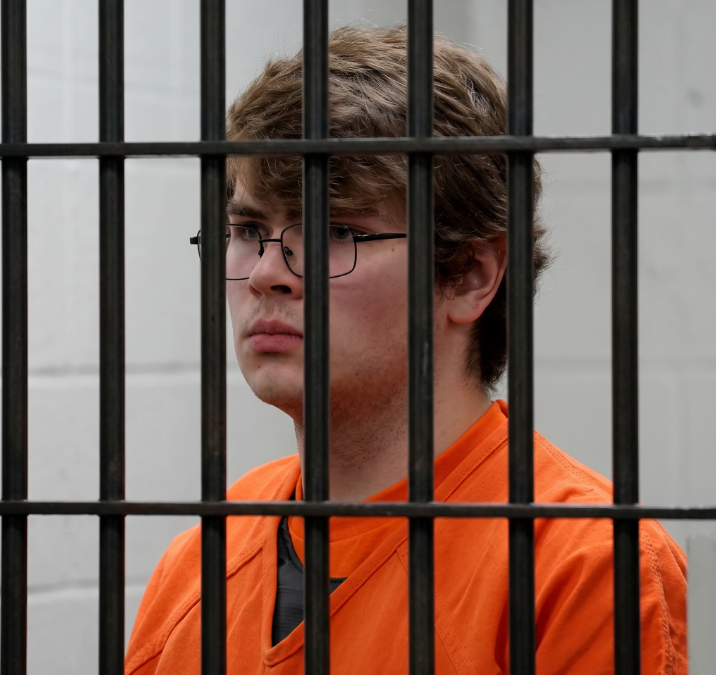
More than four years after a racially motivated mass shooting devastated Buffalo's Black community, Payton Gendron is preparing to face a federal trial that could determine whether he receives the death penalty for murdering 10 Black people at a Tops Friendly Markets supermarket on May 14, 2022.
Gendron, now 23, is already serving life in prison without the possibility of parole after pleading guilty to state charges. However, his legal proceedings are far from over.
On October 13, 2026, the final phase of federal jury selection officially began in Buffalo, bringing the case closer to a trial that will examine federal hate crime and firearm charges stemming from one of the deadliest racist attacks in recent American history.
The proceedings have renewed painful memories for survivors and families who continue to mourn the loved ones taken in the attack.
The 2022 Attack That Shook the Nation
On May 14, 2022, Gendron, then 18 years old, traveled more than 200 miles from Conklin, New York, to a Tops supermarket on Jefferson Avenue in Buffalo.
Investigators determined that he deliberately selected the location because it served a predominantly Black neighborhood.
Armed with a semiautomatic rifle, Gendron opened fire on shoppers and employees, killing 10 Black people and injuring three others. He also livestreamed portions of the attack.
Authorities discovered writings in which he promoted white supremacist ideology and the racist conspiracy theory known as the great replacement theory.
The massacre left families grieving, survivors traumatized, and an entire community confronting the devastating consequences of racial hatred
Jury Selection Begins: What Is Happening in Federal Court?
The federal proceedings are taking place before U.S. District Judge Lawrence J. Vilardo in the Western District of New York.
During jury selection, known legally as voir dire, potential jurors are questioned about their backgrounds, personal beliefs, exposure to media coverage, and ability to fairly evaluate the evidence.
Because federal prosecutors are seeking capital punishment, prospective jurors must also answer detailed questions about their views on the death penalty.
The court intends to select 12 jurors and six alternates.
During the first day of questioning, some prospective jurors expressed concerns about viewing graphic evidence, including video from the attack. Others were questioned about whether they could consider both life imprisonment and a death sentence.
The process is expected to take several weeks because of the case's extensive publicity and the seriousness of the potential punishment.
Current Update: Jury Selection Continues October 19
According to the U.S. District Court's official calendar, jury selection was scheduled to continue Monday, October 19, at 8:30 a.m., with additional sessions listed for October 20, 21, and 22.
The proceedings are being held at the Robert H. Jackson United States Courthouse in Buffalo. As of this update, no completed jury had been publicly confirmed.
The selection process began with thousands of prospective jurors receiving questionnaires earlier in the year. Approximately 1,200 advanced to a more detailed screening stage.
Gendron's defense attorneys have also challenged the composition of the jury pool, arguing that Black residents are underrepresented. They filed a motion seeking dismissal of the indictment on those grounds. The allegation is a legal argument by the defense, not an established finding of discrimination in jury selection.
Why Is Gendron Facing Another Trial?
Although Gendron was sentenced in February 2023 to life imprisonment without parole following his guilty plea in New York state court, the federal government brought separate charges arising from the attack.
He faces a 27-count federal indictment, including hate crimes resulting in death and firearms offenses.
The U.S. Department of Justice announced in January 2024 that it would seek the death penalty. Federal prosecutors subsequently rejected a proposed guilty plea in exchange for a sentence of life imprisonment.
Gendron has pleaded not guilty to the federal charges, although his attorneys have acknowledged his responsibility for the killings. Their primary focus is expected to be persuading jurors not to impose a death sentence.
The Ten Lives Lost in the Buffalo Massacre
At the center of this case are the 10 people whose lives were taken in an act of racist violence.
Celestine Chaney, 65
Roberta Drury, 32
Andre Mackneil, 53
Katherine Massey, 72
Margus Morrison, 52
Geraldine Talley, 62
Heyward Patterson, 67
Aaron Salter Jr., 55
Ruth Whitfield, 86
Pearl Young, 77
They were parents, grandparents, friends, community members, and loved ones whose absence continues to be felt throughout Buffalo.
Their names remain central to the community's remembrance and its demands for accountability.
Families Divided Over the Death Penalty
While the families share the pain of losing loved ones, they do not all agree on whether Gendron should be executed.
Wayne Jones Sr., whose mother Celestine Chaney was killed, has expressed opposition to the death penalty, saying he would rather Gendron spend the rest of his life in prison.
Buffalo Common Council member Zeneta Everhart, whose son Zaire survived the shooting, has voiced support for prosecutors pursuing capital punishment.
Garnell Whitfield, whose mother Ruth Whitfield was murdered, has emphasized the importance of examining radicalization, online influences, and broader hatred that contributed to the attack.
Their perspectives demonstrate that justice can mean different things to people directly affected by the same tragedy.
What Happens When the Trial Begins?
Once the jury is seated, prosecutors will present evidence supporting the federal charges.
If jurors convict Gendron of a capital offense, the case will move into a separate penalty phase. During that stage, prosecutors would present aggravating evidence supporting a death sentence, while defense attorneys would offer mitigating evidence supporting life imprisonment.
Judge Vilardo has indicated that opening statements and evidence could begin in December 2026, with proceedings potentially continuing through February 2027. These dates remain estimates and depend on the progress of jury selection.
A Trial About Justice, Racism, and Accountability
The upcoming federal trial represents another chapter in Buffalo's continuing effort to confront the devastation of May 14, 2022.
Beyond the question of punishment, the proceedings bring renewed attention to white supremacy, online radicalization, racially motivated violence, and the lasting trauma experienced by Black communities.
For the families of the victims, the trial may provide another opportunity to have their loved ones' stories heard. For the nation, it serves as a reminder of the deadly consequences of racial hatred.
As jury selection continues, the focus must remain on the 10 lives stolen, the survivors who carry the trauma, and the pursuit of justice.
This is a developing story. Information is current through October 19, 2026.
