
CMPD Under Fire: Racist Text Message Scandal Sparks Outrage, Officer Resignations, and Calls for Accountability
AI Image
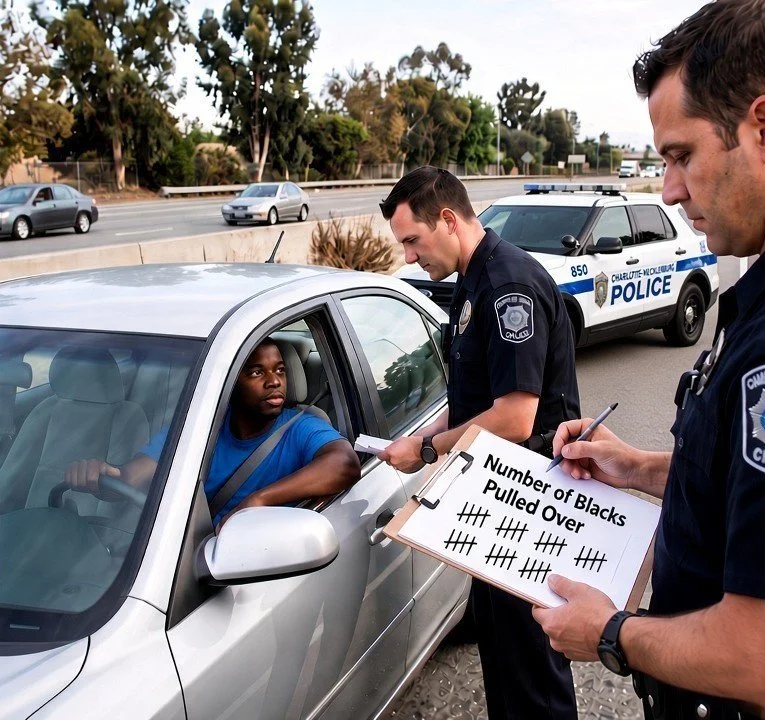
The Charlotte-Mecklenburg Police Department (CMPD) is facing serious scrutiny after an investigation uncovered disturbing text messages allegedly exchanged among officers, including racist remarks about Black residents, references to using force, and reports of a competition to see who could pull over the most Black drivers.
The revelations have sparked outrage throughout Charlotte, raised questions about racial profiling and police accountability, and prompted demands for a thorough investigation into whether officers' alleged prejudices affected their conduct while on duty.
As of October 19, seven officers have been publicly identified in connection with the scandal, with several resigning and others facing possible termination.
The controversy has become a significant test of public trust in one of North Carolina's largest police departments.
How the Racist Messages Were Discovered
The scandal began with an unrelated investigation by the North Carolina State Bureau of Investigation (SBI) into former CMPD officer Seth Elliott.
Elliott was accused of improperly accessing law enforcement technology, including the Flock automated license plate reader system, allegedly to assist someone connected to a drug investigation.
During that investigation, authorities obtained information from Elliott's cellphone. According to reporting by WBTV, investigators discovered a group text conversation involving other CMPD officers that contained derogatory statements about Black residents.
The discovery prompted CMPD to launch its own internal investigation into the officers involved.
Disturbing Allegations About Black Drivers
Among the most alarming allegations are reports that officers discussed competing to see who could stop the greatest number of Black motorists.
Sources speaking to WBTV also described repeated use of a racial slur in messages concerning the use of force and firing weapons at Black residents.
The allegations have raised concerns about whether racial bias could have influenced traffic enforcement, arrests, or interactions with residents.
Chief Estella Patterson has acknowledged that the messages reflected racial, sexual, and religious biases. However, CMPD has not publicly released the complete conversations, and the department's initial review of traffic stops, arrests, and body-camera footage had not established that the officers specifically targeted Black drivers in practice.
The distinction is important: The reported messages are deeply troubling, but the allegations about actual discriminatory policing remain under investigation.
Seven Officers Identified as Investigation Expands
On October 19, CMPD publicly released the names of seven officers connected to the investigation.
According to updated reporting by WBTV, the officers and their employment statuses are:
Officer Reported status
Seth Elliott Resigned August 4
Joseph Kelly Resigned October 11
Matthew Osborn Resigned October 12
Tredan Maronic Resigned October 13
Mateo Juarez Resigned October 15
Alexander Larsen Resigned October 19
Jeremiah Todman Suspended without pay; awaiting Civil Service Board review
Six officers were cited for termination on October 9. Elliott had already resigned during the separate investigation into alleged misuse of police technology.
Authorities have not publicly established which specific messages each officer wrote or the extent of each person's participation in the conversations.
Police Chief Estella Patterson Responds
CMPD Chief Estella Patterson publicly condemned the allegations during an October 15 press conference.
Patterson, who is Black and began her law enforcement career with CMPD, acknowledged the pain and concern the revelations have caused within the community.
She described her reaction as one of disgust, anger, and frustration.
Patterson also announced that CMPD would pursue the revocation of the officers' North Carolina law enforcement certifications, potentially preventing them from working for other police departments in the state.
The chief has requested assistance from federal authorities, including the U.S. Department of Justice, to determine whether any civil rights violations occurred.
CMPD is also reviewing officer interactions, body-camera footage, hiring procedures, and internal practices to identify potential misconduct or bias.
Charlotte NAACP Demands Accountability
The scandal has drawn strong criticism from the Charlotte-Mecklenburg NAACP and community advocates.
Local NAACP President Rev. Corine Mack has called for greater transparency, stronger officer screening procedures, and meaningful consequences for those involved.
During an October 16 press conference, community leaders demanded that CMPD release the officers' names so residents could determine whether they had experienced potentially discriminatory treatment.
The organization has also advocated for improved anti-bias training and greater scrutiny of officers' backgrounds.
For community leaders, the issue extends beyond offensive language. The central concern is whether officers entrusted with public safety can fairly enforce the law while expressing prejudice toward the people they serve.
Could the Scandal Affect Past Arrests and Criminal Cases?
Another major concern involves the potential impact on criminal cases involving the officers.
Prosecutors may need to examine whether evidence of racial bias or dishonesty affects an officer's credibility as a witness or raises questions about previous police actions.
The Mecklenburg County District Attorney's Office has acknowledged awareness of the allegations. Decisions about individual cases would require separate legal review.
As of October 19, no criminal charges had been announced against the officers specifically for the racist messages. Elliott's separate criminal case concerns alleged unauthorized access to government computer systems.
A Community Seeking Answers and Change
The revelations come at a time when trust between law enforcement and communities of color remains a critical issue nationwide.
For many Charlotte residents, the reported conversations raise a fundamental question: How can the public feel protected when officers sworn to uphold the law allegedly express hostility toward the very communities, they serve?
CMPD's response will likely be judged not only by resignations and disciplinary recommendations but also by the thoroughness of its investigation, the transparency of its findings, and any meaningful reforms that follow.
The department has emphasized its commitment to professional conduct and public trust. Community advocates, meanwhile, are demanding evidence that those commitments are being upheld.
What Happens Next?
As the investigation continues, attention will focus on the Civil Service Board's review, possible decertification proceedings, federal scrutiny, and whether past encounters involving the officers warrant additional examination.
The complete text messages have not been publicly released, and important questions remain unanswered.
For Charlotte's Black community and the city, the scandal represents more than a controversy involving individual officers. It is a test of accountability, fairness, and the responsibility that comes with wearing a badge.
The message from community advocates is clear: Public trust cannot be restored through promises alone. It requires transparency, accountability, and action.
This is a developing story. Information reflects reporting available on October 19, 2026.
