
Jalen Hurts Facing Serious Health Scare: Eagles Quarterback Diagnosed with Blood Clots in Both Lungs
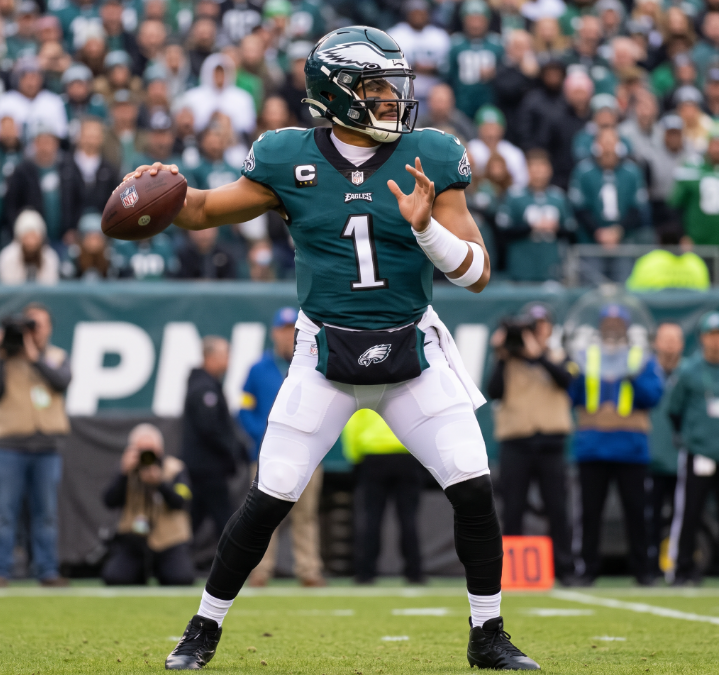
Philadelphia Eagles star quarterback Jalen Hurts is facing one of the most serious challenges of his career, but this time, the battle is taking place off the football field.
On Monday, October 19, 2026, the Philadelphia Eagles and Hurts' agent, Nicole Lynn, announced that the 28-year-old quarterback had been diagnosed with deep vein thrombosis (DVT) and bilateral pulmonary emboli, meaning blood clots were discovered in both of his lungs.
The potentially life-threatening condition has sidelined the former Super Bowl MVP, with reports indicating that he is expected to miss the remainder of the 2026 NFL season.
Despite the alarming diagnosis, the Eagles confirmed that Hurts is clinically stable and that doctors expect him to make a full recovery.
How the Health Scare Began
The situation began during the Eagles' October 4 matchup against the Los Angeles Rams, when Hurts suffered an injury to his left calf after being struck by another player's cleat.
On October 8, Hurts reported discomfort and sought treatment from the Eagles' medical staff.
Following the team's flight to London, an ultrasound performed on October 10 revealed a superficial blood clot in his left calf.
After reviewing the findings, medical professionals determined that Hurts could participate in the October 11 game against the Jacksonville Jaguars.
Hurts played in the contest, which Philadelphia lost 19–17, despite the recent discovery of the clot.
However, additional testing after the team returned to the United States revealed concerning changes.
On October 14, a follow-up ultrasound showed movement in the clot, prompting the Eagles to rule Hurts out of their October 18 matchup against the Carolina Panthers.
Further medical evaluations ultimately revealed the more serious diagnosis involving blood clots in his deep veins and both lungs.
What Are Deep Vein Thrombosis and Pulmonary Embolism?
Deep vein thrombosis occurs when a blood clot develops inside a deep vein, commonly in the leg.
A pulmonary embolism occurs when a clot travels through the bloodstream and becomes lodged in an artery in the lungs, restricting blood flow.
In Hurts' case, doctors diagnosed bilateral pulmonary emboli, indicating clots affecting both lungs.
The condition can be extremely dangerous because it may interfere with oxygen circulation and place additional strain on the heart.
Even young, physically fit athletes can develop blood clots. Injuries, prolonged inactivity, extended travel, and certain underlying medical factors can increase the risk.
Doctors who are not involved in Hurts' treatment have noted that his calf injury and international travel may have been contributing factors, although the precise cause has not been publicly established.
Eagles Announce Treatment and Recovery Plan
According to the joint statement released by the Eagles and Hurts' agent, his treatment is expected to involve anticoagulant medication, commonly known as blood thinners.
These medications help prevent existing clots from growing and reduce the risk of additional clots forming.
However, because blood thinners increase the risk of serious bleeding following an injury, Hurts cannot participate in contact sports while undergoing treatment.
The team expressed optimism about his recovery, stating that his prognosis is very good and that doctors do not anticipate long-term complications.
Hurts is expected to remain involved with the organization and continue appropriate conditioning activities while recovering.
Although no official return date has been established, his treatment is expected to keep him out of football for an extended period.
Questions Surround the Decision to Let Hurts Play
The diagnosis has also raised questions about the Eagles' decision to allow Hurts to play against Jacksonville after the initial clot was discovered.
According to ESPN reporting cited by Reuters, Hurts spent part of the night before the London game in the hospital for medical observation.
The Eagles maintained that their medical staff and specialists in London reviewed the initial ultrasound and determined that Hurts could safely participate.
During a Monday press conference, Eagles head coach Nick Sirianni defended the organization's handling of the situation, emphasizing that he relies on medical professionals when making decisions involving player health.
The circumstances have generated discussion about athlete safety, medical oversight, and the challenges of managing serious health conditions in professional sports.
At this time, the public information does not establish that the decision to allow Hurts to play caused his later complications.
A Major Setback for Philadelphia
Hurts' absence represents a significant challenge for the Philadelphia Eagles.
Since becoming the team's starting quarterback, he has established himself as one of the NFL's most dynamic players, known for his leadership, passing ability, and powerful rushing performances.
In February 2025, Hurts led Philadelphia to a Super Bowl victory over the Kansas City Chiefs and earned Super Bowl MVP honors.
Now, with his health taking priority, the Eagles must adjust their offensive plans and prepare to move forward without their franchise quarterback.
Philadelphia's October 18 loss to the Carolina Panthers highlighted the challenges the team faces without Hurts leading the offense.
While his absence will affect the Eagles' season, the organization's immediate priority remains his health and recovery.
A Reminder That Health Comes Before Football
Hurts' diagnosis has sparked conversations throughout the NFL about the importance of recognizing unusual symptoms and seeking medical attention.
Dallas Cowboys quarterback Dak Prescott publicly addressed the situation, encouraging players to speak up when something feels wrong rather than attempting to push through potentially serious health concerns.
Blood clots can develop in people of different ages and fitness levels, and warning signs may include leg swelling or pain, unexplained shortness of breath, chest discomfort, and sudden difficulty breathing.
Sudden chest pain, unexplained shortness of breath, fainting, or coughing up blood can indicate a medical emergency requiring immediate attention.
Hurts' experience serves as a reminder that even elite professional athletes are not immune to serious medical conditions.
Looking Ahead: A Full Recovery Is the Goal
For Jalen Hurts, the focus is no longer on touchdowns, playoff positioning, or championship expectations.
It is on recovery.
The quarterback who has built his reputation on determination, resilience, and leadership now faces a different challenge that requires patience and careful medical treatment.
The encouraging news is that his doctors expect a full recovery, with the possibility of returning to contact football once he has completed treatment and received medical clearance.
For Eagles fans and football supporters across the country, the hope is that Hurts will eventually return to the field healthy and ready to continue his career.
Football can wait. Jalen Hurts' health and future come first.
