Potomac River Sewage Spill Lawsuit Raises Questions About Aging Infrastructure and Environmental Accountability
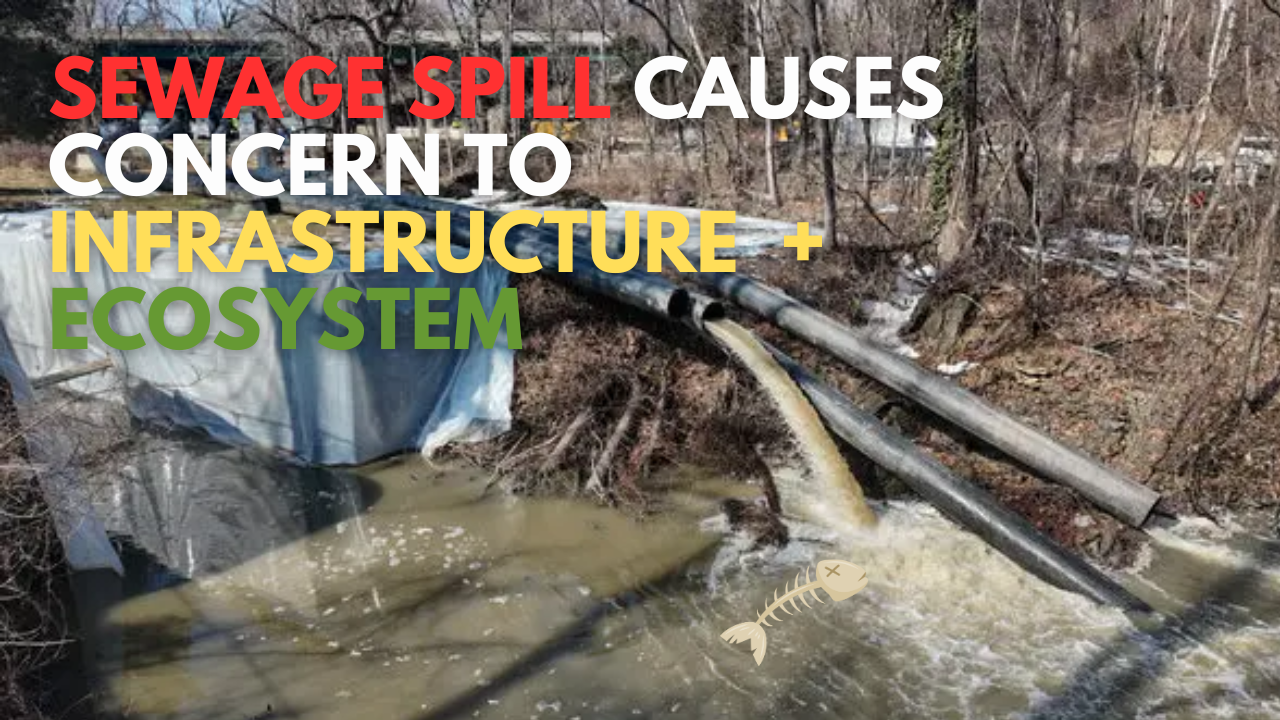
The class action lawsuit filed against DC Water following the January 2026 Potomac River sewage spill has become more than a legal dispute. The case highlights how aging infrastructure, delayed maintenance, and environmental oversight failures combine to create large-scale impacts on rivers, wildlife, public health, and local economies.
The incident began on January 19, 2026, when a 72-inch section of the Potomac Interceptor collapsed near the Chesapeake and Ohio Canal National Historical Park in Maryland. Over the following days, an estimated 243 million gallons of untreated sewage entered the Potomac River. The spill ranks among the largest wastewater releases in United States history. The failure prompted emergency response efforts, water quality advisories, and lawsuits from private citizens, the U.S. Department of Justice, the U.S. Environmental Protection Agency, and the State of Maryland (DOJ, 2026. EPA, 2026).
The proposed class action lawsuit alleges that DC Water knew portions of the Potomac Interceptor had experienced severe corrosion for years but failed to implement adequate safeguards, monitoring, and repairs before the collapse occurred. Plaintiffs include property owners, businesses, and boat owners who claim they suffered contamination, cleanup expenses, property damage, lost income, and reduced recreational use of the river. The lawsuit argues that preventive action would have cost far less than responding to a catastrophic infrastructure failure (Business Wire, 2026).
Federal investigators reached similar conclusions. According to the Department of Justice complaint, the utility failed to properly operate and maintain the sewer system, allowing untreated wastewater to discharge into the Potomac River in violation of the Clean Water Act. The federal government is seeking civil penalties, expanded inspection programs, infrastructure rehabilitation, and environmental mitigation projects. Maryland filed a separate lawsuit seeking damages for environmental restoration and recovery costs (DOJ, 2026. Maryland Office of the Attorney General, 2026).
The environmental impacts extend far beyond unpleasant odors and discolored water. Raw sewage contains bacteria such as Escherichia coli, viruses, parasites, nutrients, pharmaceuticals, household chemicals, and organic waste. University researchers detected E. coli concentrations thousands of times above recreational water quality standards shortly after the spill. Elevated bacteria levels persisted for weeks near the rupture site, forcing public health officials to advise residents and visitors to avoid contact with affected waters (Washington Post, 2026).
Wildlife also faces significant consequences following large sewage releases. Excess nitrogen and phosphorus stimulate algal blooms that reduce dissolved oxygen in rivers. As oxygen declines, fish, mussels, aquatic insects, and other organisms experience increased stress or mortality. Suspended solids reduce sunlight penetration, limiting photosynthesis for submerged aquatic vegetation that provides food and habitat for fish and waterfowl. Pollutants also settle into sediments where contaminants remain long after water quality appears to recover.
The spill also demonstrates how infrastructure failures affect people in ways that are not immediately obvious. River closures reduce recreational opportunities, including boating, fishing, kayaking, and swimming. Tourism businesses lose customers. Property owners face cleanup costs and concerns over declining property values. Utilities must spend millions on emergency repairs instead of planned rehabilitation projects. Public trust also declines when residents learn that warning signs existed before the failure occurred.
This event reflects a broader challenge facing water utilities across the United States. Much of the nation's wastewater infrastructure was installed between the 1950s and 1970s. Many systems are approaching or have exceeded their original design life. Corrosion, concrete deterioration, increasing flows, and deferred maintenance raise the probability of future failures if rehabilitation projects do not keep pace with system aging.
For environmental professionals, the Potomac spill reinforces an important principle. Environmental protection begins long before contamination reaches a river. Asset management, routine inspections, predictive maintenance, corrosion monitoring, and timely capital investment are environmental protection measures as much as water quality regulations. Preventing failures protects ecosystems, reduces economic losses, and safeguards public health far more effectively than responding after damage has already occurred.
The Potomac River lawsuit will determine legal responsibility. Its broader legacy will likely influence how utilities nationwide prioritize inspection, maintenance, and infrastructure investment before the next aging pipeline fails.
References
Business Wire. (2026). Hagens Berman: DC Water sued in class action lawsuit following disastrous January sewage spill into Potomac River.
Maryland Office of the Attorney General. (2026). Attorney General Brown files lawsuit against DC Water over Potomac Interceptor collapse.
U.S. Department of Justice. (2026). Justice Department files Clean Water Act complaint against DC Water for Potomac Interceptor failure.
U.S. Environmental Protection Agency. (2026). United States files complaint against DC Water in response to Potomac Interceptor collapse.
The Washington Post. (2026). High bacteria levels found in nearby stream after Potomac sewage spill